

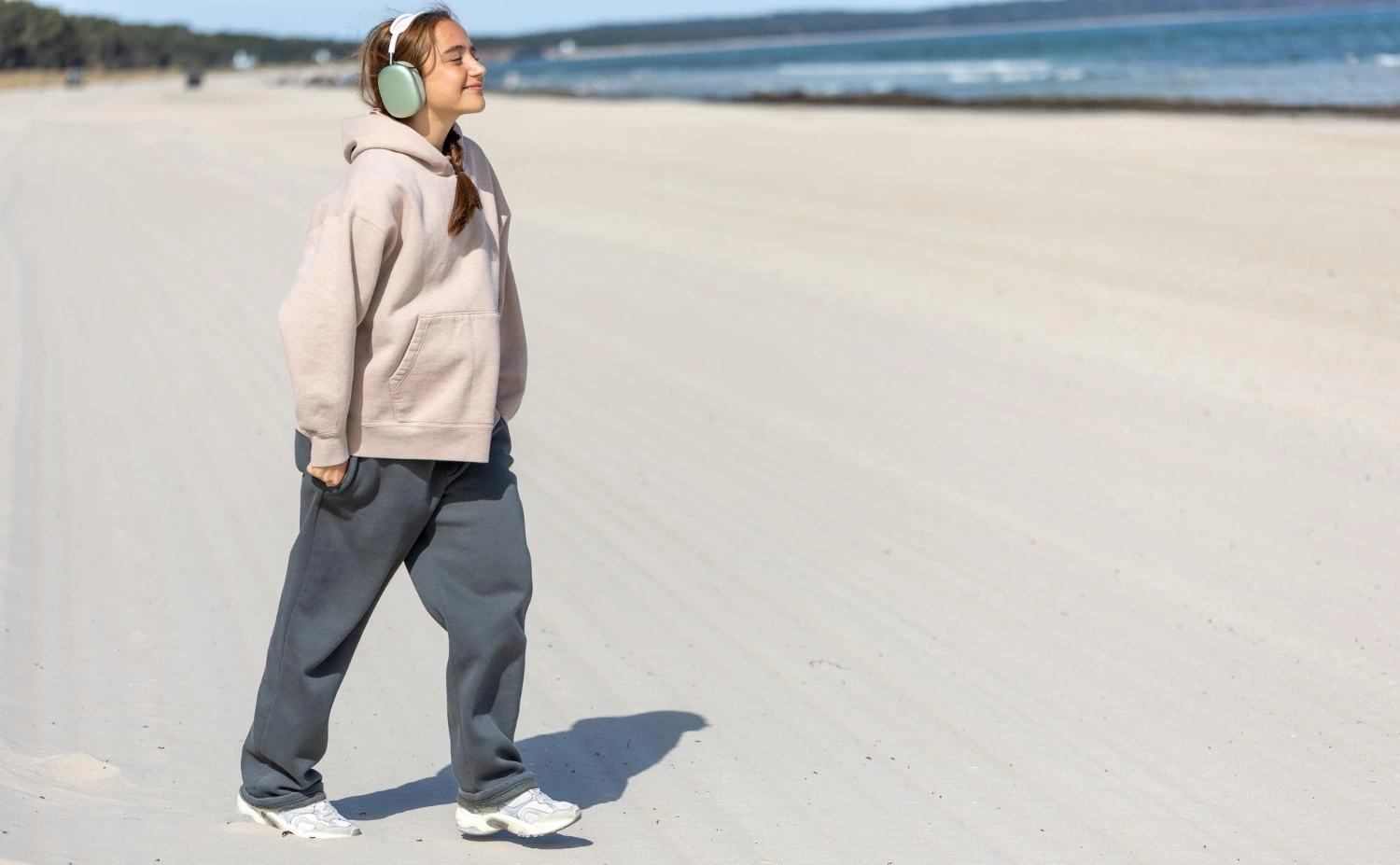
In the bustling world of today, where digital devices consume almost every waking moment, the majestic serenity of glacier landscapes beckons as a retreat for over one million travelers seeking a digital detox. Historical contexts reveal that glaciers, once sources of trepidation and awe, now draw seekers of silence and natural beauty from across the globe. Let us navigate how these icy expanses offer more than just breathtaking views but also a reprieve from the continuous digital demands of modern life.
Rediscovering ancient landscapes
The allure of glacier travel may stem from a primordial connection to nature that mankind has had since time immemorial. Once inaccessible to all but the most daring explorers, glaciers today serve as sanctuaries where one can recapture the simplicity of a pre-digital era. The Swiss Alps, Patagonia’s ice fields, and Alaska’s frozen giants draw travelers not just for their splendor but for a rare opportunity to unplug from the incessant barrage of alerts and updates.
Adventurers often find themselves marveling at the ethereal beauty of ice formations, tracing lines etched over millennia. The World Tourism Organization notes that eco-tourism, which frequently includes visits to such pristine environments, has seen substantial growth. The expansion in glacier tourism is a testament to a collective yearning—to pause, reflect, and connect in ways that screens simply cannot facilitate.
The silent subversion of technology
While technology has revolutionized travel, making remote destinations more accessible, it paradoxically presents one of the major challenges for travelers yearning to disconnect. Travelers venturing into glacial regions deliberately opt to leave their gadgets behind, knowing the journey itself promises an invaluable form of solitude. This decision reflects a move toward mindfulness in travel, a stark contrast to the typical technologically tethered vacation.
Conscious travel choices
Emerging from the shadows, organizations such as the Responsible Tourism Partnership advocate for conscious travel practices that necessarily include minimizing digital presence to maximize engagement with surroundings. In a society fixated on documenting every moment, consciously stepping back to savor the untouched wilderness poses its own form of rebellious charm.
Adversity and adventure
A visit to glacier landscapes is no mere sightseeing trip; it is an adventure that demands and fosters resilience—a quality increasingly rare in our convenience-driven culture. Inherent challenges like unpredictable weather and physically demanding treks necessitate focusing entirely on the present. Without the comforting crutch of technology, this adversity transforms into a captivating lesson in human endurance and adaptability.
Global tensions and environmental discussions
Glacier landscapes also catalyze important global conversations about climate change and its far-reaching impacts. As these icy behemoths face the threat of melting, discussions transcend mere environmental concern; they become arenas of geopolitical debate. Countries with significant glacial territories, such as the United States and Russia, find themselves at the crux of discussions concerning climate policy and international cooperation.
The impermanence of these landscapes has driven both governmental and non-governmental organizations to push for environmental stewardship, raising global awareness while urging individual responsibility. Visiting travelers, often deeply moved by the firsthand experience, become inadvertent ambassadors for preservation, supporting initiatives that aim to halt the rapid environmental degradation threatening these frozen wonders.
The enduring appeal of going offline
As winter departs and warmer months beckon new waves of travelers, the importance of preserving such refuges of calm cannot be understated. Where digital connectivity leads to overwhelming anxiety, the silence and stoicism of glaciers offer profound relief. Beyond their impending disappearance, glaciers continue to symbolize a retreat necessary for both ecological balance and personal rejuvenation.
Ultimately, as modern society wrestles with an ever-growing footprint in technology, glacier landscapes remind us of the untamed, untapped power of disconnecting. Over a million people return each year, revealing that perhaps the greatest journey of all is the one leading back to where we initially began: in awe of nature, and silent in contemplation.
