

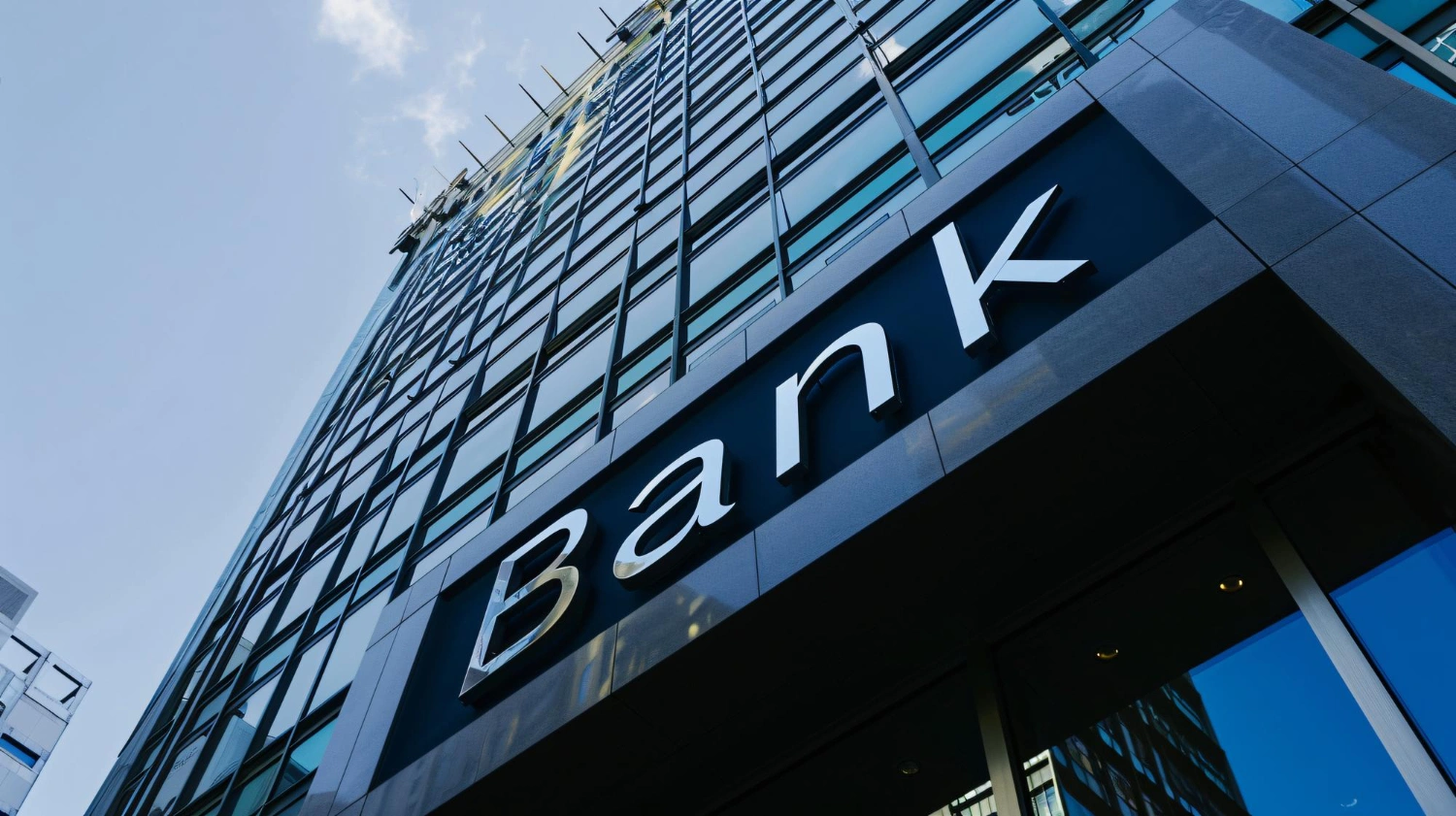
The digital transformation of financial institutions is gaining momentum as they delve into the realm of tokenised assets to expedite settlement processes. Tokenisation, a concept with roots in cryptocurrency, is quickly becoming a cornerstone for the evolution of financial transactions. This shift could reshape the landscape of asset trading, offering a swifter, more efficient platform that promises to propel the industry headlong into the future.
The concept of tokenisation
Tokenisation refers to the conversion of assets into digital tokens that exist on a blockchain. Each token represents ownership of a real-world asset, whether it be real estate, stocks, or even precious metals. This digital conversion allows for unprecedented liquidity and transparency, characteristics that are increasingly demanded in global markets.
The advantage lies in the ability for assets to be traded around the clock, without geographical barriers or traditional market hours. This shift could well mark the beginning of a new era for financial transactions, where the old-world settlement processes, often mired in delays, are replaced by instantaneous exchanges.
Faster settlements: a game changer?
Historically, the settlement of financial transactions has been a laborious task that could stretch over several days. Tokenised assets, however, could usher in near real-time settlements, fundamentally altering the global financial infrastructure. By leveraging blockchain’s immutable ledgers, financial institutions can ensure greater security and accuracy in transaction records.
Moreover, this approach could drastically reduce counterparty risk, a persistent challenge in traditional systems. For financial giants, the appeal of faster settlements isn’t just about speed; it’s also about reducing overhead costs and operational inefficiencies.
Crypto custodians and regulatory landscapes
Institutions exploring tokenised assets must navigate a web of regulatory requirements. As an emerging technology, tokenisation is still in its infancy within legislative frameworks. Countries like Switzerland and Singapore have put forth pioneering guidelines aimed at governing digital assets.
However, other regions lag in providing a clear regulatory path, potentially stifling innovation. Crypto custodians such as Fidelity Digital Assets have emerged, offering solutions and advice to enterprises looking to integrate tokenised systems without falling foul of regulatory expectations.
Challenges and potential setbacks
Despite its potential, tokenisation isn’t without its challenges. Technical complexities and security concerns stand as formidable barriers. The very nature of the blockchain, while secure on paper, demands rigorous cybersecurity measures. In the hands of inexperienced operators, the risk of cyber threats looms large.
Additionally, there’s a palpable skepticism among traditionalists who see the rapid adoption of tokenised assets as a volatile gamble. The hurdle of convincing conservative stakeholders cannot be underestimated, especially in an industry predicated on trust and reliability.
The global impact of tokenised assets
Globally, the ramifications of adopting tokenised assets could be significant. A shift toward digital transactions diminishes the reliance on traditional banking systems, potentially increasing financial inclusion in underbanked regions. Institutions like the Bank for International Settlements and International Monetary Fund are observing these developments keenly, with studies underway to understand the broader economic impacts.
In Europe, the trend towards tokenisation is evident not just in banking but also in entertainment industries. The growing acceptance of digital assets is paralleled in how other digital currencies permeate mainstream services and domains, from trading to even platforms like casino online europei, illustrating a comprehensive shift across sectors.
As financial institutions continue to explore these dynamically evolving technologies, the pace of change remains unpredictable. What is clear, however, is tokenisation’s potential to redefine asset exchanges on a global stage, paving the way for a more interconnected and streamlined financial world.
